
See The Light and Use It
Learn To Use What Light Is Available To You
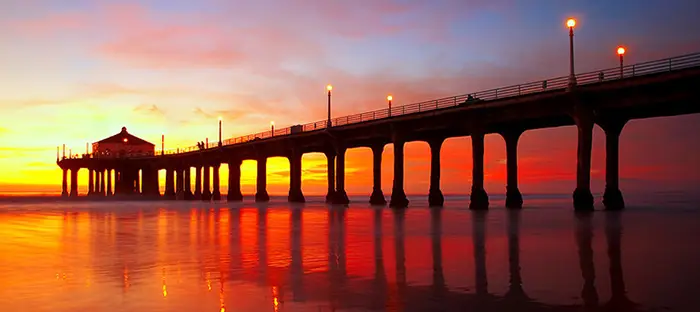
Ok, you don’t have to convert to any kind of faith (except your own) to take a good picture. What I mean is to always be aware of what the light is doing. How will it affect your shot? See the light!
Different lighting techniques, even whilst photographing the same subject, can dramatically alter the image. Especially in the way in which people perceive it. Creating harsh shadows for instance can add "moodiness" to a photograph.
See the Light: Daylight/Sunlight
Watch what happens to a scene as the day moves on. The best times of day for landscape, architecture or outdoor portraits is always either early morning or early evening. The rising or setting sun creates such a warmth that I believe no filter can match it!
Set your sights on leaving the house early so that you can be where you want to be at either of these times. Have your camera set up in the position that you want as this light does not last long. You will have just minutes to get the right shot. If you are shooting digitally, take a bunch!
If you are shooting in the midday sun, try a skylight or warm filter such as 81 or 85. This will help keep the nasty rays at bay and add a more natural light to your photos. If you are lucky enough to have blue skies and bright sun, put a decent Polarizing Filter on your lens. These can make a scene look truly fantastic if used correctly.

See the Light: Polarising Filter
One common rule you may hear when it comes to lighting is do not shoot into the sun, forget that! You can get some fantastic shots by aiming directly at the sun but just beware you don’t hurt your eyes. However, the best angle for most outdoor shots is with the sun directly behind you.
Try to keep your "human" subjects out of direct sunlight if you don’t want just about every nook, cranny and wrinkle appearing in their face. Turn their back to the sun and either:
Note: To get a spot reading, aim your camera at the subjects face and fill the frame with it, half press the shutter to get a reading, press the "exposure lock" button if you have one (on the 20D it is top right on the back of the camera, like an asterisk * ).
Then move back to re-frame and don’t dilly dally, the reading will go after 5 or so seconds, re-compose and shoot. The focussing shouldn’t be affected as it will refocus as you re-frame and press the shutter button, although the background will appear overexposed.
If it is out of focus, try "zooming in" on the face instead of moving or switch your cameras metering to "spot" or "centre-weighted" if available.
See the Light: Flash or Speedlite
When using a flashgun or Speedlite, there is a tendency to always just slap it on the camera and fire away. This inevitably causes harsh shadows to the left or right of your subject making it obvious that flash was used. A quick and simple way around this is to bounce the flash from a reflective surface and back onto your subject. By doing this, you get a more even illumination with no harsh shadows. Go to my bounced flash section to read up on this in more detail.
Also, even though it may look strange, and feel strange at first, use your flash outside in daylight. This will eliminate any shadows and is great for fill in flash on bright, sunny days. Use it anywhere that there are deep shadows or areas of particularly bad lighting. I always try to have a flash unit with me wherever I go. See my fill in flash page for more info on this.
In fact, why not check out all the sections at my flash photography section and then pop back here? Go to Flash Photography.
A whole section of "See the Light" I haven’t covered is on studio lighting. If you are fortunate enough to own some studio gear, I will cover this in more details at a later date.